
5 Common Business Mistakes That Can Cost You Money


For a modern Certified Public Accountant (CPA) firm, client compliance extends far beyond historical bookkeeping and data entry. It requires a proactive approach to financial oversight, risk management and regulatory compliance.
Many organizations face recurring compliance challenges not because of isolated accounting errors, but because of underlying weakness in financial process and internal control. These deficiencies often manifest as cash flow constraints, reporting inaccuracies, audit findings and increased regulatory scrutiny.
By proactively identifying these systematic vulnerabilities, CPA firms create an opportunity to deliver significantly greater value. This article will highlight 5 common operational blind spots and outlines practical approaches for mitigating risks, enhancing compliance and strengthening long term business performance.
Common Mistakes We Generally See
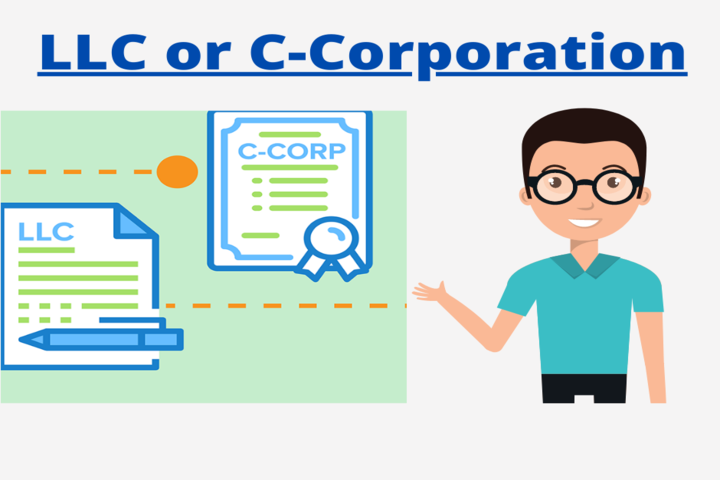
Suboptimal Entity Selection and Premature Formations:
Clients frequently select business structures based on superficial internet research rather than a rigorous tax-efficiency and risk analysis. Setting up a business without deep planning often binds a client to an inflexible, expensive framework.
| S.No. | Common Business Fault | How a CPA Firm Addresses It |
|---|---|---|
| 1 | Selecting the wrong business entity | Review the client's current and projected income/ownership/business goals — then recommend and implement the most tax-efficient entity structure. |
| 2 | Paying unnecessary taxes due to an inefficient entity structure | Prepare comparative tax projections, evaluate available elections (such as S-corp status), and file the required IRS and state forms to reduce the overall tax burden. |
| 3 | Missing annual filings, corporate records or statutory requirements | Maintain a compliance calendar, prepare annual reports and meeting minutes, monitor filing deadlines, and coordinate with legal counsel when necessary. |
| 4 | Operating in multiple states without proper registration or tax filings | Determine where the business has tax nexus, complete required state registration, and establish a filing calendar for state income, sales, and payroll tax compliance. |
Commingling of Funds and Veil-Piercing Behaviors:
Many Business owners use their business bank account to pay for personal expenses or deposit personal funds into the business without proper documentation. This practice severely compromises the integrity of the general ledger and threatens the client's limited liability protection.
| S.No. | Common Business Fault | How a CPA Firm Helps |
|---|---|---|
| 1 | Using the Business bank account to pay personal expenses | Review transactions regularly, identify personal expenses, and record them correctly as owner draws or shareholder distributions. |
| 2 | Mixing personal and business transactions in the same bank or credit card account | Help establish separate business bank accounts and accounting procedures to maintain accurate financial records and simplify tax preparations. |
| 3 | Poor recordkeeping leading to audit issues and inaccurate books | Perform periodic bookkeeping reviews, reconcile accounts, and maintain complete documentation to strengthen audit readiness and financial accuracy. |
| 4 | Lack of clear documentation for shareholder loans or reimbursements | Prepare loan agreements, reimbursement records, and supporting schedules to ensure transactions are properly documented and compliant with tax regulations. |
Reactive, Year-End Focused Tax Planning:
Many businesses only think about taxes when it’s time to file their return. By then, opportunities to reduce taxes, improve cash flow or avoid penalties have often been missed.
| S.No. | Common Business Fault | How a CPA Firm Helps |
|---|---|---|
| 1. | Waiting until year-end to estimate tax liability | Prepare quarterly tax projections so clients know their expected tax liability well in advance and can plan accordingly. |
| 2. | Not making adequate estimated tax payments during the year | Calculate quarterly estimated tax payments and remind clients of upcoming payment deadlines to help avoid IRS and state penalties. |
| 3. | Making major business decisions without understanding the tax impact | Evaluate the tax consequences of significant purchases, financing decisions and business transactions before they are completed. |
| 4. | Ignoring changes in tax laws that could affect the business | Monitor legislative and regulatory changes and proactively advise clients on actions required to remain compliant and optimize tax outcomes. |
Delayed Bookkeeping and Poor Financial Recordkeeping:
Many businesses postpone bookkeeping until tax season or when financial statements are required by a bank or lender. As a result, management decisions are often based on incomplete or inaccurate financial information.
| S.No. | Common Business Fault | How a CPA Firm Helps |
|---|---|---|
| 1. | Delaying bookkeeping until month end or year end | Maintain monthly bookkeeping and ensure all transactions are recorded accurately and on time. |
| 2. | Bank and credit card accounts not reconciled regularly | Perform monthly bank and credit card reconciliations to identify missing, duplicate or unauthorized transactions. |
| 3. | Inventory, Fixed Assets or loan balances not reconciled | Periodically reconcile inventory, fixed assets, loans and other balance sheet accounts to ensure financial accuracy. |
| 4. | Failure to identify unusual transactions or potential fraud | Perform periodic analytical reviews and account reconciliation to detect anomalies, unauthorized transactions and internal control weaknesses. |
Cross-Border Complexities and International Disclosure Blind-spots:
As businesses expand globally, many owners unknowingly create foreign tax reporting obligations by opening overseas bank accounts, investing abroad, hiring international employees or earning foreign income. Failure to identify these requirements can result in substantial penalties.
| S.No. | Common Business Fault | How a CPA Firm Helps |
|---|---|---|
| 1. | Failing to disclose foreign bank and financial accounts | Review all foreign financial accounts annually and prepare required filing such as the FBAR (FinCEN Form 114) where applicable. |
| 2. | Not reporting foreign financial assets or investments | Evaluate filing requirements for Form 8938 and other international return to ensure full IRS compliance. |
| 3. | Assuming foreign income is not taxable in US | Educate clients on worldwide income reporting requirements and implement appropriate tax planning strategies. |
| 4. | Failing to disclose foreign gifts, inheritances or trusts | Review cross-border transfers and prepare the required IRS information returns where applicable. |
FAQs:
What are the most common mistakes businesses make?
The most common business mistakes include choosing an inefficient business entity, mixing personal and business finances, waiting until year-end to plan for taxes, delaying bookkeeping, and overlooking international tax reporting requirements.
Why is proactive tax planning important for a business?
Proactive tax planning helps business owners estimate tax liabilities, plan estimated payments, evaluate major financial decisions, and identify potential tax-planning opportunities before the end of the tax year.
Why should I keep my personal and business finances separate?
Separating personal and business finances helps maintain accurate accounting records, simplifies tax preparation, makes financial reporting easier, and provides clearer documentation of business transactions.
How often should a business update its bookkeeping?
Businesses should generally maintain their bookkeeping regularly rather than waiting until tax season. Monthly bookkeeping and bank and credit-card reconciliations can help identify errors, unusual transactions, cash-flow issues, and missing records earlier.
Can a CPA help with international tax reporting?
Yes. A CPA can review a business owner's international financial activity and determine whether certain U.S. reporting obligations may apply, including FBAR, Form 8938, foreign-income reporting, and other applicable international information returns.
Not Sure If Your Business Has Any of These Problems?
Let Braj Aggarwal CPA PC review your current accounting, bookkeeping, and tax processes. We can help identify potential compliance gaps, improve financial reporting, and develop a proactive tax strategy for your business.
Schedule a consultation with Braj Aggarwal CPA, PC today.