
Best States to Start a Business in the USA in 2026


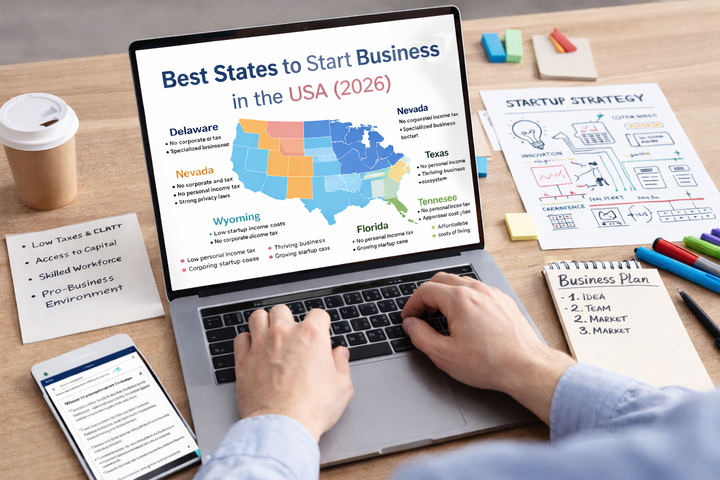
Starting a business is about more than just a great idea, while your idea, passion and hustle are key, where you launch your business can make all the difference between struggle and success.
In the vast and diverse landscape of USA, some states roll out red carpet for entrepreneurs, offering low taxes, a strong economy, access to funding and a skilled workforce.
As we head into 2026, the business landscape is shifting fast. New tech hubs are emerging, regulations are evolving and certain states are proving to be true launchpads for startups and small businesses.
Why location matters in business success?
Business Tax Climate
A state's tax policies directly impact a business’s profit margin and long-term scalability.
- No/low corporate tax = higher retained earnings
- No personal income tax = benefits LLCs & sole proprietors
- Low sales tax = lower consumer costs, higher demand
- Favorable property tax = reduced overhead
- Simple tax filing = saves time and reduces hassle
Cost of Living and Business Operating Costs
Lower costs mean more room to invest in growth, hire talent, and scale operations.
- Affordable housing = easier to attract/retain talent
- Low commercial rent = cheaper office/retail space
- Cheap utilities = big savings for energy-heavy businesses
- Low minimum wage = lower entry-level labor costs (where legal)
Access to Capital
Funding is fuel for business growth, especially in early stages.
- High Venture Capital Firm presence = better funding for startups
- State grants/loans = financial support for new businesses
- Strong banking = easier access to SBA and traditional loans
- Near financial hubs = more investor connections & networks
Talent Pool and Labor Market
A business thrives with access to the right people — skilled, diverse, and available.
- Educated population = access to skilled labor
- Low unemployment = strong, stable workforce
- Diverse population = broad skillsets & global reach
- Vocational training = support for trade-based businesses
Business Regulations & Startup Friendliness
Less red tape means faster, easier, and more affordable launches.
- Fast registration = quicker business launch
- Simple licensing = less red tape across industries
- Online portals = streamlined filing & compliance
- Legal/consulting support = guidance for new owners
- Low compliance costs = savings on audits & renewals
Economic Growth & Industry Opportunities
The surrounding economy affects everything — from customer base to supply chain.
- High GDP growth = strong local demand
- Population growth = expanding market & talent pool
- Pro-business policies = startup-friendly environment
- High entrepreneurship = active startup ecosystem
1. Delaware: Delaware consistently ranks as one of the top states to start and incorporate a business, especially for startups and corporations. Over 50% of Fortune 500 companies are incorporated here and for good reason.
Key Advantages:
• Home to the Chancery Court, a specialized business court with judges who are experts in corporate law, ensuring fast and fair decisions in legal disputes.
• Low annual fees and fast filing processes for new businesses.
• No requirement for directors or officers to reside in the state.
• Allows single-person corporations, which is not permitted in all states.
• Offers strong privacy protections — startups are not required to disclose confidential or owner information.
• No state income tax, no sales tax, and no VAT, making it financially attractive for corporations.
2. Nevada: Nevada is another contender for business incorporation due to its exceptional tax benefits.
Key Advantages:
• No corporate income tax, no personal income tax, and no franchise tax.
• Businesses can register as foreign entities, allowing operations outside the state.
• Strong privacy laws owners, managers, and investors can remain anonymous.
• Incorporation provides asset protection for LLCs and corporations.
• Nevada’s LLC Act doesn’t require disclosure of personal information to the IRS.
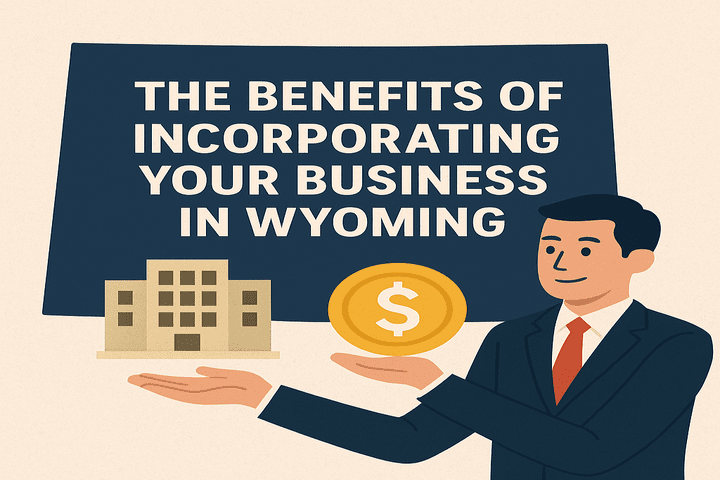
3. Wyoming: Wyoming is one of the most business-friendly states in the country, offering low costs, simple filing requirements.
Key Advantages:
• Sales tax is only 4%, one of the lowest in the U.S.
• Very low startup costs — $100 filing fee and $50 annual report fee.
• Allows online business registration, with no need to physically present in the state.
• Offers strong asset protection laws for business owners.
• Excellent privacy policies, similar to Delaware and Nevada.
4. Texas: Texas has become a magnet for startups and small businesses due to its robust economy, low tax burden, and affordable cost of living.
Key Advantages:
• No personal income tax.
• No corporate income tax for many business types (though a franchise tax may apply).
• Reasonable startup costs and abundant office space options.
• Thriving business climate with strong industries like tech, energy, and healthcare.
• Low cost of living, especially in cities like San Antonio and Dallas.
5. Florida: Florida is a popular choice for entrepreneurs seeking a combination of tax advantages, sunshine, and access to growing markets.
Key Advantages:
• No personal income tax.
• Low corporate income tax of just 5.5%.
• LLCs are exempt from income tax, making them ideal for small business owners.
• A growing startup scene, especially in Miami and Orlando.
• Strategic geographic location for international trade, particularly with Latin America.
6. Tennessee: Tennessee offers a solid balance of affordability, infrastructure, and low tax rates, making it an attractive option for small businesses and startups.
Key Advantages:
• No personal income tax.
• Low cost of living, making it affordable for employees and founders alike.
• Strong infrastructure, including transportation and logistics (especially in cities like Nashville and Memphis).
• Growing industries in healthcare, logistics, and music/entertainment.
• Business-friendly regulatory environment.
While popular options like Delaware, Nevada, Wyoming, and Texas often grab headlines due to their business-friendly regulations, the most practical and strategic choice for most entrepreneurs is to register the business in their home state—the state where they physically reside and operate.
Why Incorporating in Your Home State Makes Sense?
Better Familiarity with Local Laws and Regulations
You're already familiar with your home state's legal and administrative environment, including local licensing requirements, tax obligations, and employment laws. Staying within your home state simplifies compliance and reduces the risk of unintentionally violating unfamiliar rules.
No Need for a Foreign Qualification
If you incorporate in a different state but physically operate your business in your home state, your company may be considered a "foreign entity" in your home state. You'll need to register your company again as a foreign entity, appoint a registered agent in both states, and pay annual fees and file reports in both states.
Tax Implications
States like Wyoming and Nevada offer no corporate income tax, but that doesn’t always mean tax savings. You're still liable for state taxes in your home state if you operate there. Some states have franchise taxes or gross receipts taxes, even if they don't have income tax. So, incorporating elsewhere might not reduce your tax liability—it could just complicate it.
Easier Banking and Licensing
Most banks prefer businesses to be registered in the state where the owner lives or where the business physically operates. You may also need local registration to open a business bank account, obtain state/local licenses or permits, and register for sales tax or use tax. Starting in your home state streamlines these steps.
FAQ Section
1. What are the best states to start a business in the USA in 2026?
Some of the best states to start a business in the USA in 2026 include Delaware, Wyoming, Texas, Florida, Nevada, and Tennessee. These states offer business-friendly tax policies, strong economies, access to capital, and supportive startup environments.
2. Why is Delaware popular for business incorporation?
Delaware is popular because of its well-established corporate laws, specialized business courts, fast incorporation process, and flexible regulations that benefit startups and large corporations alike.
3. Is Wyoming a good state to form an LLC?
Yes, Wyoming is widely considered one of the best states to form an LLC due to its low startup costs, strong privacy protections, simple filing requirements, and business-friendly regulations.
4. Should I register my business in my home state?
In most cases, registering your business in your home state is the most practical option. If you operate your business locally, registering in another state may require foreign qualification and additional compliance costs.
5. What factors should entrepreneurs consider when choosing a state to start a business?
Entrepreneurs should consider factors such as business tax rates, cost of living, operating expenses, access to funding, availability of skilled workers, regulatory environment, and economic growth of the state.
How Braj Aggarwal, CPA, P.C. Can Help
Starting a business in the United States involves several important decisions, including choosing the right state for incorporation, selecting the appropriate business structure, and ensuring compliance with tax and regulatory requirements. Braj Aggarwal, CPA, P.C. provides expert guidance to entrepreneurs, startups, and international business owners looking to establish and grow their businesses in the U.S. Our firm assists with business entity selection, company registration, EIN applications, tax planning, accounting services, and ongoing compliance support. With our experience in U.S. tax and business regulations, we help clients make informed decisions that support long-term growth and financial efficiency.