
When is it time to hire an e-Commerce Accountant?


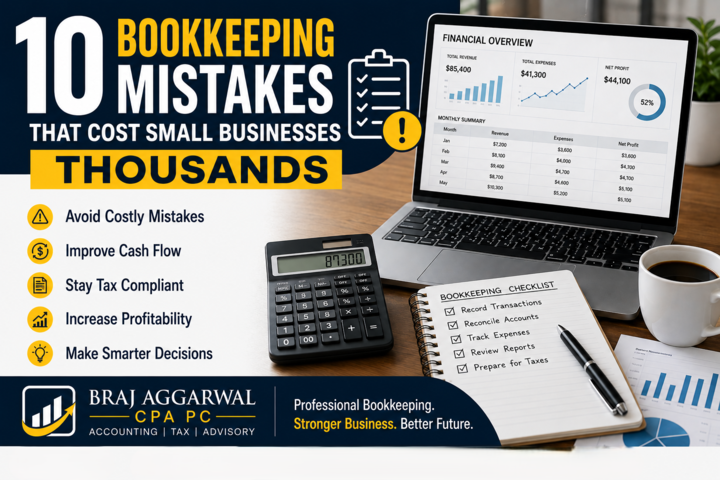
eCommerce bookkeeping moves fast: sales spike overnight, inventory turns quickly, and payment cycles vary by platform. In the rush to grow, bookkeeping often takes a back seat. But when books aren’t accurate, it leads to problems that directly affect profitability, cash flow, and tax compliance.
Many eCommerce business owners don’t realize there is a problem until margins look thinner than expected, cash feels tight despite strong sales. Avoiding common eCommerce bookkeeping mistakes is key to scaling with confidence.
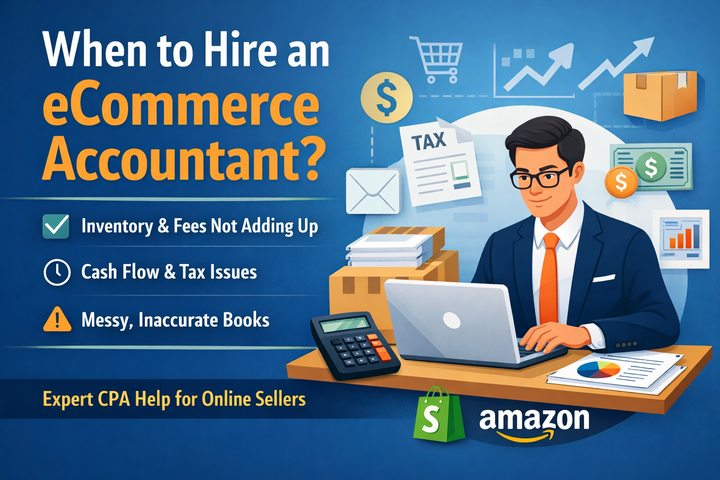
So how do you know when its time to hire an eCommerce accountant? Lets start by looking at the most common issues sellers face.
1. Ignoring Inventory in the Books
Inventory is often the largest cost in an eCommerce business, yet many owners only track it in their platform (Shopify, Amazon, etc.) and not in their financials.
Inventory shrinkage (returns, damaged goods, or lost shipments) generally doesn’t get recorded.
If inventory isn’t properly accounted for, you may think a product is profitable when it is losing money.
Accurate eCommerce bookkeeping ensures inventory purchases, adjustments and sales are properly matched, giving you true COGS and reliable profitability data.
2. Overlooking Platform Fees and Payment Delays
Marketplace fees, transaction charges, and payout delays eat into profits. When these aren’t captured in the books, revenue looks higher than it really is.
For example, A seller sees $50,000 in Shopify sales but forgets to account for $2,000 in processing fees and a three-day payout delay.
An eCommerce accountant records platform fees as expenses and align revenue recognition with actual payouts, keeping cash flow projections realistics.
3. Mixing Business and Personal Expenses
Many eCommerce owners use one card or account for both personal and business purchases, which makes tax preparation messy and hides the true cost of running the business.
Personal subscriptions, Meals or travel costs can easily get buried in business transaction.Mixed expenses hide the true cost of running your business and increase the risk of errors or audits.
Separating accounts and relying on structures bookkeeping ensures transactions are categorized correctly and financial reports are clean and defensible.
4. Waiting Until Year-End to Catch Up
Many sellers delay bookkeeping until tax season, only to discover problems too late. By then, it’s difficult to correct errors, claim deductions, or get financing. Cash flow issues go unnoticed until year-end.
Outdated books prevent you from making informed decisions and can delay financing, growth plans or tax strategies.
Consistent monthly bookkeeping provides timely insight into revenue, expenses and profitability, so there are no surprises at year-end.
FAQs
When should I hire an eCommerce accountant?
You should hire an eCommerce accountant when sales growth starts to outpace your ability to maintain accurate books or when financial decisions are being made without confidence in the numbers. This often happens when you add multiple sales channels.
How does an eCommerce CPA add value beyond bookkeeping?
An eCommerce CPA uses accurate financial data to improve cash flow management, analyze profit margins, plan tax strategies, and identify growth opportunities. Rather than just recording history, they help you understand what the numbers mean and how to use them to scale profitably.
Is hiring an eCommerce accountant worth it?
Yes. The cost is often offset by reduced errors, better tax outcomes, improved cash flow, and time savings. More importantly, accurate financials help prevent costly mistakes and support smarter decision-making as the business grows.
Will an eCommerce accountant work with my existing tools?
Yes. An experienced eCommerce accountant evaluates, optimizes, and monitors tools like QuickBooks, Shopify, Amazon, and payment processor integrations to ensure data flows correctly. This helps prevent sync errors and keeps financial reports reliable.
What should I look for when hiring an eCommerce CPA?
Look for experience with online sales platforms, inventory accounting, sales tax compliance, and multi-channel businesses. A strong eCommerce CPA understands how platform fees, payment delays, refunds, and inventory movement affect profitability and cash flow.
Can an eCommerce CPA help me prepare for investors or loans?
Yes. Lenders and investors require clean, accurate, and well-documented financials. An eCommerce CPA ensures your books are audit-ready, financial statements are credible, and key metrics are clearly presented—improving your chances of approval.
Can an eCommerce CPA help with inventory forecasting?
Yes. Accurate inventory accounting provides the foundation for forecasting demand, planning purchases, and managing cash flow. With clean data, an eCommerce CPA can help prevent overstocking, stockouts, and cash shortages.
How can the Right CPA help?
eCommerce accounting is complex, fast moving and highly specialized. With multiple sales channels, payment processors and software integrations, managing the financial side of an eCommerce business is rarely straightforward, especially for a do-it-yourself.
This is where an experience eCommerce CPA can make a meaning difference. They ensure your financials are accurate, your inventory and fees are properly accounted for. Beyond bookkeeping, we can help with tax planning, cash flow forecasting, profitability analysis and strategic guidance as your business scales.
So where are you on your journey? Whether you are still managing your own books, considering outsourcing, or already working with accountant, Braj Aggarwal, CPA,P.C as licensed New York CPA can help you move forward with confidence, so you can focus on growing your business while knowing your financial foundation is solid.