
The Ultimate Guide to Registering a Company in the USA from India

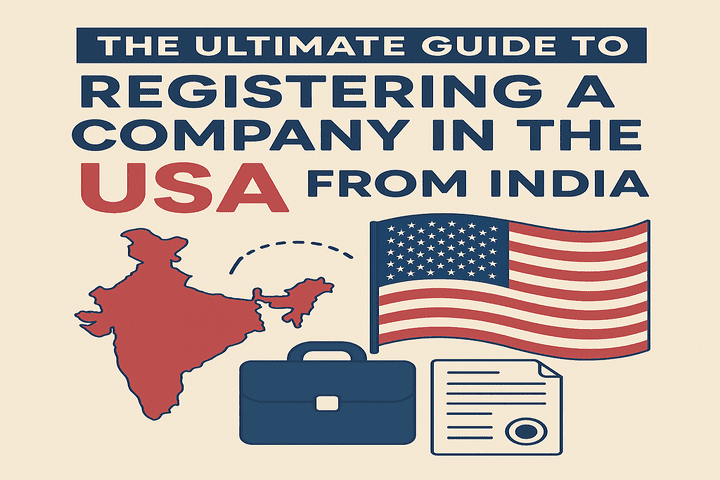
Starting a business in the United States is a dream for many Indian entrepreneurs. The U.S. market offers immense opportunities for growth, access to a vast customer base, and a reputation that can boost your brand globally. However, the process can seem complex and overwhelming from thousands of miles away. The good news is, you don’t need to be a U.S. citizen or a resident to register and own a company there.
This guide will walk you through the essential steps, key considerations, and best practices to help you seamlessly register your U.S. company from India.
Why Register a U.S. Company from India?
Before diving into the "how-to," let's quickly understand the "why." Registering a U.S. entity, such as a Limited Liability Company (LLC) or a C-Corporation, provides several significant advantages for Indian businesses:
Global Credibility and Trust: A U.S. company is often perceived as more credible and reliable, which can help you secure international clients, partners, and funding.
Access to U.S. Market and Investors: It opens doors to the world's largest consumer market and a robust ecosystem of venture capitalists and angel investors.
Simplified Financial Transactions: With a U.S. business bank account, you can easily accept payments from U.S. customers, manage international payroll, and streamline your finances.
Reduced Tax Burden: In some cases, a U.S. company can offer tax advantages, depending on the structure and how you operate.
The Step-by-Step Process to Incorporate Your U.S. Business
Registering a company in the U.S. is primarily a state-level process. This means there isn't one single federal registration; instead, you choose a state to incorporate in. Here’s a breakdown of the key steps:
Step 1: Choose Your Business Structure and State
This is arguably the most crucial decision. The most common structures for non-resident entrepreneurs are:
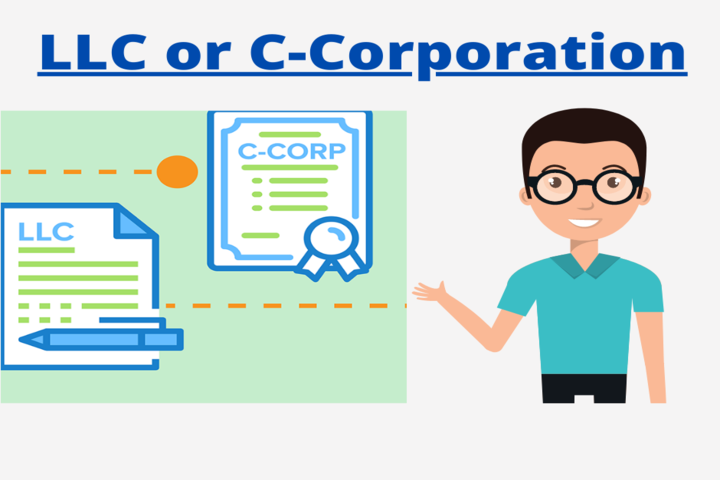
Limited Liability Company (LLC): An LLC offers liability protection, separating your personal assets from business debts. It's popular for its flexibility and "pass-through" taxation, where profits are reported on the owner’s personal income tax return.
C-Corporation: A C-Corp is the preferred choice for businesses planning to raise venture capital. It offers strong liability protection, but is subject to "double taxation" – the company is taxed on its profits, and shareholders are taxed again on dividends.
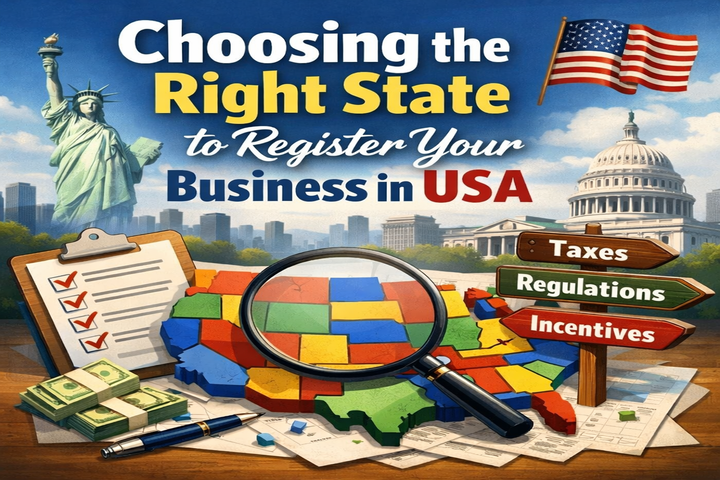
After choosing your structure, you need to pick a state. While you can register in any state, some are more popular due to their business-friendly laws, low taxes, and privacy. Delaware, Wyoming, and Nevada are often recommended.
Delaware: Known as a legal powerhouse, it's favored by venture capitalists and large corporations for its established corporate laws and specialized court system.
Wyoming: A top choice for startups and small businesses due to its low annual fees, no state corporate or personal income tax, and strong privacy protections.
Nevada: Another state with no corporate or personal income tax, and it offers great privacy for business owners.
Step 2: Appoint a Registered Agent
Every U.S. company is legally required to have a Registered Agent in the state where it's incorporated. A Registered Agent is a designated person or service that has a physical street address in that state and is authorized to receive legal documents and official correspondence on behalf of your business. Since you are based in India, you cannot act as your own Registered Agent. You will need to hire a professional Registered Agent service.
Step 3: Choose a Unique Company Name
Your chosen business name must be unique within the state where you are registering. You can check for name availability on the state's Secretary of State website. It’s also a good idea to check for federal trademarks to avoid any future legal issues.
Step 4: File the Formation Documents
Once you have your business structure, state, and name ready, you will file the official paperwork with the state. This is typically the Articles of Organization for an LLC or the Articles of Incorporation for a C-Corporation. These documents include basic information about your company, such as its name, the Registered Agent's details, and sometimes the management structure.
Step 5: Obtain an Employer Identification Number (EIN)
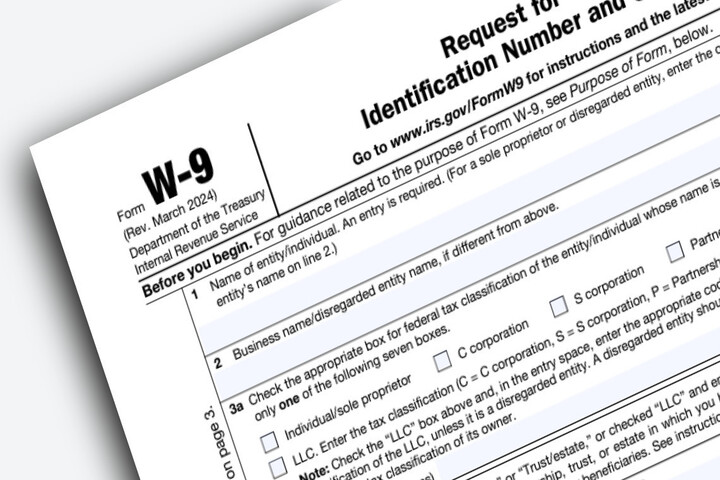
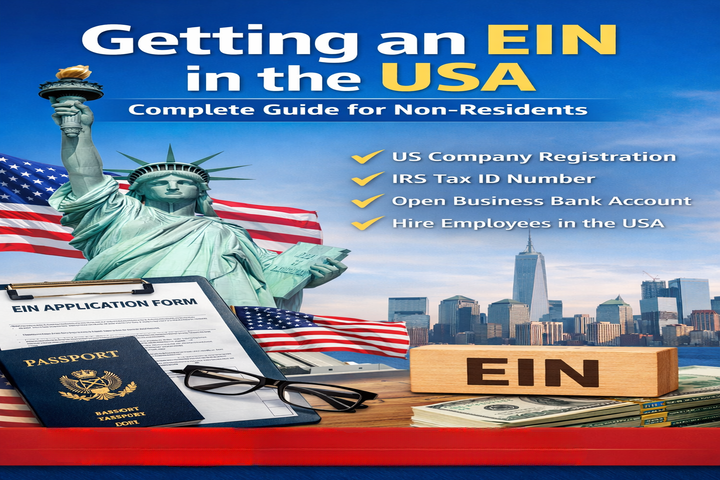
An EIN is a federal tax identification number issued by the IRS (Internal Revenue Service). It's essential for opening a U.S. business bank account, filing taxes, and hiring employees. You can apply for an EIN without a Social Security Number (SSN) or Individual Taxpayer Identification Number (ITIN). This can be a time-consuming step, and many online formation services can assist you with the application process.
Step 6: Open a U.S. Business Bank Account
Having a separate business bank account is crucial for managing your finances, accepting payments, and maintaining clear records. While some U.S. banks may require you to visit in person, many modern fintech solutions and business-friendly banks offer remote account opening for non-residents, especially after you have your EIN.
How Braj Aggarwal CPA P.C. Can Help
Navigating these steps, especially from a different country, can be challenging. This is where a trusted CPA firm like Braj Aggarwal CPA P.C. can be invaluable. As an Indian CPA in New York, Braj Aggarwal and his team possess a unique understanding of the specific challenges faced by Indian entrepreneurs. Their expertise in both U.S. and international tax laws ensures you remain compliant and set up your business for success. They provide comprehensive services including:
- Business Formation & Registration: Guiding you through the entire process, from choosing the right entity and state to filing the necessary paperwork.
- EIN Application: Assisting with the application for your Employer Identification Number.
- Tax Planning & Compliance: Developing strategic tax plans to minimize liabilities and ensuring you meet all federal and state tax obligations.
- Bookkeeping and Accounting: Handling your daily financial records so you can focus on growing your business.
- IRS Audit Representation: Representing you in case of an IRS audit, offering peace of mind.
Their deep-rooted understanding of the "desi" business culture and the American financial system makes them the ideal partner to help you turn your U.S. business aspirations into reality.
FAQs: Answering Your Top Questions
Can I open a U.S. company without a U.S. visa?
Yes. You do not need to be a U.S. citizen or have a visa to form and own a U.S. company. The entire process, from registration to banking, can be completed from India with the help of online services.
What is the difference between an LLC and a C-Corp for an Indian founder?
An LLC is generally simpler and better for small businesses or those who want pass-through taxation. A C-Corp is better if you plan on raising capital from U.S. investors, as most VCs prefer to invest in C-Corps.
Do I need a physical address in the USA to register a company?
You don't need a personal physical address in the U.S. However, you are required to have a physical address for your Registered Agent in the state of incorporation. Many services provide a virtual office or business address as part of their package.
How much does it cost to register a company in the USA from India?
The costs vary depending on the state and the services you use. Registered Agent fees (around $100-$300 annually), and professional service fees if you hire a company to handle the process for you. Expect an initial setup cost of a few hundred to a couple of thousand dollars.
What about taxes?
Do I have to pay taxes in both the USA and India? You will likely have tax obligations in both countries. The U.S. company will be subject to U.S. federal and state taxes, while you, as an individual, will be subject to personal income tax in India. The India-U.S. tax treaty can help prevent double taxation. Always consult with CPA firm like Braj Aggarwal, CPA, P.C. they have a tax professional who specializes in international tax laws.