
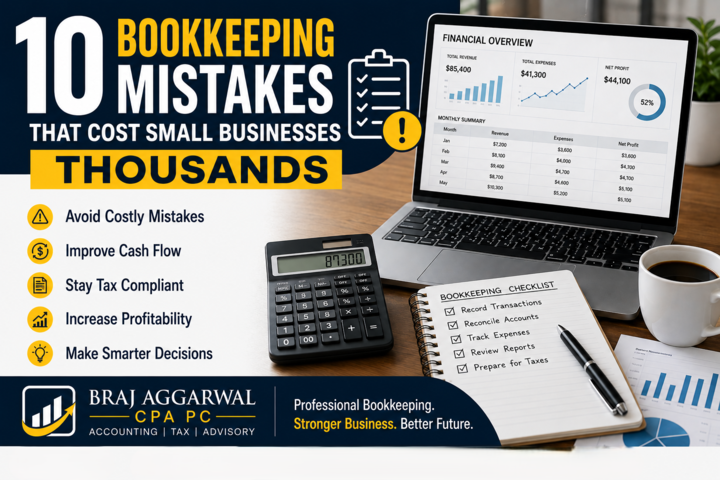
10 Bookkeeping Mistakes That Cost Small Businesses Thousands

Managing a small business requires more than just generating sales and attracting customers. Behind every successful business is a strong financial system that helps owners understand where money is coming from, where it is being spent, and how profitable the business. This is where bookkeeping becomes essential.
Unfortunately, many small businesses underestimate the importance of proper bookkeeping until they face serious financial issues such as cash flow shortages, tax penalties, inaccurate financial reports, or compliance problems. Even small bookkeeping mistakes can gradually lead to thousands of dollars in losses, missed opportunities, and unnecessary stress.
Whether you own a startup, e-commerce business, restaurant, construction company, medical practice, or professional service firm, maintaining accurate financial records is critical for long-term success.
Understanding the Importance of Bookkeeping
Bookkeeping is the process of recording, organizing, and managing all financial transactions of a business. It includes tracking income, expenses, invoices, payroll, taxes, bank transactions, and financial reporting.
Good bookkeeping helps business owners:
- Understand their financial health
- Monitor business growth
- Improve cash flow
- Prepare accurate tax returns
- Avoid penalties and audits
- Make informed business decisions
- Plan future investments and expansion
Without accurate bookkeeping, business owners often make decisions based on incomplete or incorrect financial information, which can negatively impact profitability and growth.
1. Mixing Personal and Business Finances
One of the biggest mistakes many small business owners make is using the same bank account or credit card for both personal and business expenses.
At first, this may seem harmless or convenient, especially for startups and sole proprietors. However, over time, it creates major accounting complications.
For example, if a business owner pays personal bills using business funds or uses a personal card for business purchases without proper documentation, it becomes difficult to identify legitimate business expenses during tax preparation.
Why This Mistake Is Dangerous
When personal and business finances are mixed:
- Financial reports become inaccurate
- Tax deductions may be missed
- Business profitability becomes unclear
- IRS audits become more complicated
- Business cash flow is harder to track
In some cases, mixing finances can also weaken the legal protection provided by LLCs and corporations.
How to Avoid This Problem
Business owners should:
- Open separate business bank accounts
- Use dedicated business credit cards
- Maintain organized receipts and records
- Track all transactions using accounting software
Professional bookkeeping services ensure proper expense categorization and financial separation.
2. Not Recording Transactions Regularly
Many business owners delay bookkeeping tasks until the end of the month or even tax season. This creates a backlog of receipts, invoices, and financial records that become difficult to organize accurately.
When transactions are not recorded regularly, small errors can go unnoticed and eventually create larger financial problems.
Common Problems Caused by Delayed Bookkeeping
- Missing receipts and documents
- Incorrect expense tracking
- Missed tax deductions
- Inaccurate profit calculations
- Difficulty preparing tax returns
For example, if several business expenses are forgotten or undocumented throughout the year, the business may end up paying higher taxes than necessary.
Best Practice
Bookkeeping should be updated consistently:
- Daily for high-volume businesses
- Weekly for growing companies
- Monthly at minimum for small businesses
Cloud accounting software and professional bookkeeping support can simplify this process significantly.
3. Ignoring Cash Flow Management
Many business owners focus only on revenue and profitability while ignoring cash flow.
A business may appear profitable on paper but still struggle financially if cash is not available to pay vendors, employees, rent, or operational expenses.
Cash flow refers to the movement of money entering and leaving your business.
Common Signs of Cash Flow Problems
- Delayed vendor payments
- Difficulty covering payroll
- Frequent overdraft charges
- Reliance on credit cards or loans
- Unpaid customer invoices
Poor cash flow management is one of the leading reasons small businesses fail.
Why Proper Bookkeeping Helps
Accurate bookkeeping helps business owners:
- Monitor incoming and outgoing cash
- Track unpaid invoices
- Identify unnecessary expenses
- Forecast future cash needs
Financial reports generated through proper bookkeeping allow businesses to make smarter financial decisions before problems become serious.
4. Failing to Reconcile Bank Accounts
Bank reconciliation means comparing business financial records with bank statements to ensure all transactions match correctly.
Many small businesses skip this process because they assume their records are already accurate.
However, bookkeeping errors, duplicate transactions, missing deposits, unauthorized charges, and bank mistakes can occur frequently.
Problems Caused by Lack of Reconciliation
- Incorrect account balances
- Duplicate expense entries
- Undetected fraud
- Missing transactions
- Inaccurate financial statements
Even small discrepancies can create serious financial reporting problems over time.
Recommended Approach
Businesses should reconcile:
- Bank accounts monthly
- Credit card statements regularly
- Payroll records accurately
Professional accountants help identify discrepancies quickly and maintain accurate financial records.
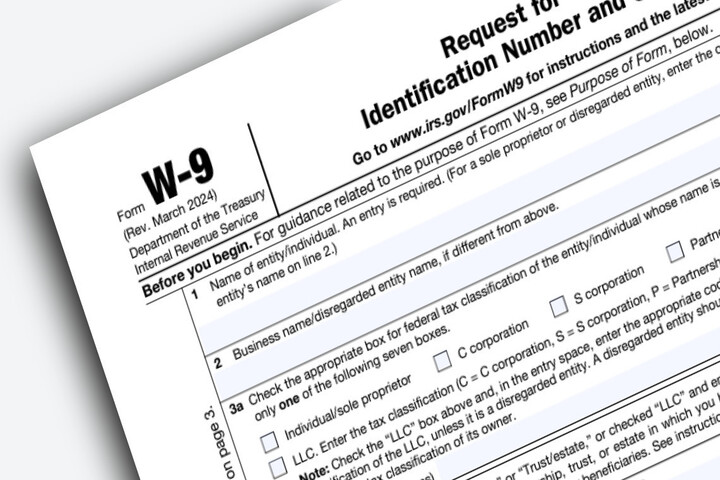
5. Missing Tax Deadlines and Compliance Requirements
Tax compliance is one of the most stressful areas for small business owners, especially when bookkeeping records are disorganized.
Late tax filings, inaccurate reports, and missing documents can result in penalties, interest charges, and IRS notices.
Common Tax Mistakes Businesses Make
- Filing taxes late
- Misreporting income
- Forgetting deductible expenses
- Payroll tax errors
- Incomplete bookkeeping records
Many businesses also fail to plan for quarterly estimated taxes, creating unexpected financial burdens.
Why Professional Tax Planning Matters
A professional CPA firm helps businesses:
- Maintain accurate financial records
- Prepare tax returns correctly
- Reduce tax liabilities legally
- Avoid penalties and audits
- Stay compliant with changing tax laws
Strategic tax planning throughout the year can save businesses thousands of dollars.
6. Trying to Handle Everything Without Professional Help
Many small business owners try to manage bookkeeping, payroll, taxes, invoicing, and accounting themselves.
While this may seem cost-effective initially, financial mistakes often become more expensive than hiring professional help.
Bookkeeping requires attention to detail, financial knowledge, and understanding of tax regulations.
Risks of DIY Bookkeeping
- Incorrect tax filings
- Payroll mistakes
- Data entry errors
- Missed deductions
- Poor financial reporting
Business owners should focus on running and growing their businesses instead of spending excessive time managing complex accounting tasks.
Professional accounting support improves efficiency, accuracy, and financial confidence.
7. Using Outdated or Manual Accounting Systems
Many businesses still rely on spreadsheets or manual bookkeeping methods.
While spreadsheets may work temporarily for very small businesses, they become inefficient and error-prone as operations grow.
Problems with Manual Bookkeeping
- Higher risk of human errors
- Difficult financial tracking
- Limited reporting capabilities
- Time-consuming data entry
- Poor collaboration with accountants
Benefits of Modern Cloud Accounting Software
Cloud accounting systems provide:
- Real-time financial data
- Automated transaction imports
- Secure digital recordkeeping
- Faster invoicing and payments
- Improved reporting accuracy
Modern accounting technology helps businesses improve organization and productivity.
8. Poor Invoice and Payment Management
Late invoicing and poor follow-up on unpaid invoices can create serious cash flow issues.
Many businesses fail to send invoices promptly or monitor overdue payments consistently.
Common Invoicing Mistakes
- Delayed billing
- Incorrect invoice details
- Missing payment reminders
- Poor tracking of unpaid invoices
As unpaid invoices accumulate, businesses may struggle to cover operational expenses.
Best Practices
Businesses should:
- Send invoices immediately
- Establish clear payment terms
- Use automated payment reminders
- Monitor accounts receivable regularly
Professional bookkeeping services improve payment tracking and financial organization.
9. Not Reviewing Financial Reports
Many business owners generate financial reports but rarely review or understand them properly.
Financial reports provide valuable insights into business performance and profitability.
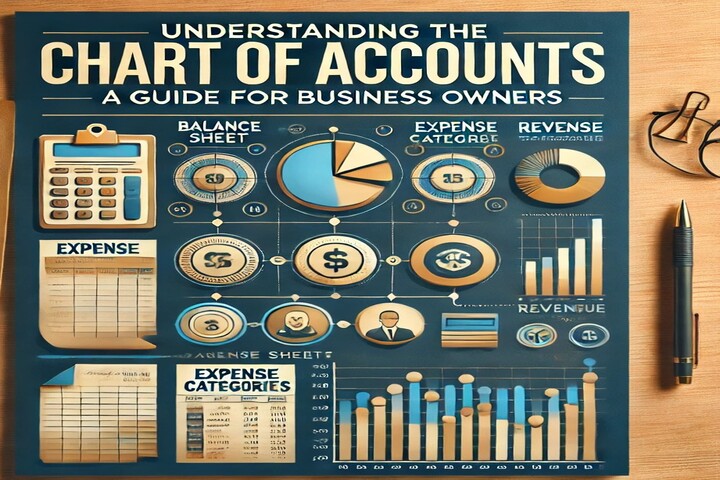
Important Financial Reports Every Business Should Review
Profit and Loss Statement
Shows business income, expenses, and profitability.
Balance Sheet
Displays assets, liabilities, and owner equity.
Cash Flow Statement
Tracks money moving in and out of the business.
Accounts Receivable Reports
Shows unpaid customer invoices.
Reviewing these reports regularly helps businesses identify financial problems early and improve decision-making.
10. Waiting Too Long to Hire a CPA Firm
One of the costliest mistakes businesses make is waiting until financial problems arise before seeking professional accounting support.
Correcting years of inaccurate bookkeeping can be extremely time-consuming and expensive.
How a CPA Firm Can Help
Professional CPA firms provide:
- Accurate bookkeeping
- Tax preparation and planning
- Payroll management
- Financial reporting
- Business consulting
- Cash flow analysis
- Audit support
Working with experienced accountants allows businesses to maintain financial accuracy while focusing on growth and operations.
Frequently Asked Questions (FAQs)
Why is bookkeeping important for small businesses?
Bookkeeping helps businesses track income, expenses, taxes, and cash flow accurately, allowing owners to make informed financial decisions.
What is the most common bookkeeping mistake?
Mixing personal and business finances is one of the most common mistakes because it creates accounting confusion and tax complications.
How often should bookkeeping be updated?
Bookkeeping should ideally be updated weekly or monthly to maintain accurate and organized financial records.
Can bookkeeping errors affect taxes?
Yes. Poor bookkeeping can lead to inaccurate tax filings, missed deductions, penalties, and increased audit risks.
How can Braj Aggarwal CPA PC help businesses?
Braj Aggarwal CPA PC provides bookkeeping, tax planning, payroll, accounting, and financial advisory services to help businesses stay organized and financially healthy.
How Braj Aggarwal CPA PC in New York Can Help Your Business
Braj Aggarwal CPA PC is a trusted accounting and CPA firm serving businesses in New York City with professional bookkeeping, accounting, tax planning, and financial advisory services.
The firm helps businesses:
- Maintain organized financial records
- Improve cash flow management
- Reduce accounting errors
- Prepare accurate tax filings
- Stay compliant with regulations
- Gain financial clarity for growth
Whether you are a startup, small business owner, or growing company, professional accounting support can help improve efficiency, profitability, and financial stability.
Bookkeeping mistakes may seem minor initially, but over time they can cost businesses thousands of dollars in penalties, missed opportunities, and financial losses.
Accurate bookkeeping is essential for maintaining healthy cash flow, preparing taxes properly, improving profitability, and making informed business decisions.
By partnering with experienced professionals Braj Aggarwal CPA PC in New York City, businesses can avoid costly accounting mistakes, improve financial organization, and focus on long-term growth and success.