
1099 Stress in 2026? Here’s How to Simplify Your Filing Process



Struggling with 1099 filing deadlines? Every year, thousands of U.S. businesses face IRS penalties due to late or incorrect 1099-NEC and 1099-MISC filings. At Braj Aggarwal, CPA, P.C., we simplify the entire 1099 reporting process, ensuring accurate preparation, timely e-filing, and full IRS compliance so you can focus on running your business stress-free.
1. What is a Form 1099?
The IRS 1099 Forms are a group of tax forms that document payments made during the tax year by an individual or a business that typically isn’t your employer.
2. If a 1099 is for non-employers, what form is used for employers?
If the payments comes from an employer, it is reported on a Form W-2. So it is very clear that Form 1099 is issued when payments are made to non-employees while Form W-2 is issued to report wages paid to employees.
3. How to classify the worker?
If a business controls how and when you work and provides tools, training or ongoing supervision, recipient will be treated as an employee and will receive a W-2.
If recipient control how the work is done and operate independently, he is typically a contractor and will receive a 1099.
Worker classification is determined by IRS rules, not by preference. Misclassification can lead to penalties and back taxes.
4. what are the common types of 1099 Form?
|
Form 1099 Type |
Purpose |
Common Example |
|
1099-NEC |
Reports non-employee compensation paid to independent contractors or freelancers |
Payments to a freelancer, consultant or GIG worker |
|
1099-MISC |
Reports miscellaneous income such as rent, royalties, prizes and awards |
Rent paid to a property owner |
|
1099-K |
Reports payment card and third party network transactions |
Payments received via PayPal, Stride or Credit cards |
|
1099-INT |
Reports Interest Income |
Interest earned on a saving account |
|
1099-DIV |
Reports dividends and certain investment distributions |
Dividends from Stocks or Mutual Funds |
5. When are 1099 forms due to recipients?
The IRS requires payers to provide most 1099 forms by January 31. If January 31 is not a business day, then the due date moves to next business day. If you’re mailing a paper form to the IRS, you typically have to send the 1099 by February 28.
Payers are required to send these forms early in the tax season. This gives the recipient time to prepare tax returns. The early due dates allows the IRS to have evidence of certain income received during the tax year.
6. What is the 2026 reporting threshold for 1099 forms?
Beginning in 2026, the reporting threshold for 1099-K, 1099-MISC, and 1099-NEC increases to $2,000 and adjusts annually for inflation.
7. Do I need to issue a 1099 if payments are below the threshold?
Generally no, unless federal tax was withheld—but the recipient must still report the income.
8. How Is Form 1099 Generated?
Form 1099 is generated by the payer after reviewing all payments made during the tax year. Throughout the year, the payer tracks payments to vendors, freelancers, contractors, or other recipients. At year-end, the payer determines which payments meet the IRS reporting requirements.
To generate a 1099, the payer typically:
- Collects the recipient’s information using Form W-9
- Totals all reportable payments made during the year
- Uses accounting or tax software or IRS paper forms to prepare the appropriate 1099
- Ensures the correct 1099 type is used (e.g., 1099-NEC, 1099-MISC)
9. What Does the Recipient Do With a Received 1099?
If you receive a Form 1099, it means the income has been reported to the IRS under your name and taxpayer identification number. The recipient must:
- Review the form for accuracy (name, SSN/EIN, and income amount)
- Report the income on their tax return, even if they disagree with the amount (discrepancies should be addressed with the payer)
- Include the income in taxable earnings, which may also be subject to self-employment tax, depending on the type of 1099
Receiving a 1099 does not automatically determine how much tax you owe—it simply reports income that must be accounted for on your return.
10. What Does the Payer Do With the Generated 1099?
Once the payer generates the 1099, they have several responsibilities:
- Send a copy to the recipient by the IRS deadline (usually January 31)
- File a copy with the IRS either electronically or by mail
- Submit copies to state tax agencies if required
- Retain records of the filed 1099s for compliance and audit purposes
The payer must ensure the information is accurate and filed on time to avoid penalties. If an error is discovered after filing, the payer must submit a corrected 1099.
11. What should the recipient do if he don’t receive a 1099?
If the recipient don’t receive a 1099, he should contact the payer and request a copy.
12. Do the Recipient still have to pay taxes if he don’t receive a 1099?
Yes. The responsibility to report taxable income does not depend on receiving a 1099. All income must be reported, regardless of whether a form was issued.
13. What should the Recipient do if his 1099 has incorrect information?
Review the form carefully, contact the payer as soon as possible to request a corrected 1099. Errors such as incorrect amounts, names or tax identification numbers should be fixed before filing tax return.
14. How do payers correct an incorrect 1099?
Payer must file a corrected 1099 using the same method used for the original filing and send a corrected copy to the recipient.
15. What happens if payers fail to issue a required 1099?
Failing to issue a required 1099 can result in IRS penalties and increased scrutiny, especially If the expense was deducted in the tax return. However, filling the 1099 late is generally better than not filing at all, as voluntary correction may reduce penalties.
16. Do payments made through PayPal or credit cards require a 1099-NEC?
No. Those payments are typically reported on Form 1099-K by the payment processor, not by the business owner.
17. What a Form 1099 contain?
A Form 1099 is essentially a summary of payments made or received during the tax year. Generally Form 1099 contains Payer information, Recipient Information, Account Number, Payment Details, Tax withheld (if any), Form Type, Year of Payment, Filing Instructions.
18. Where does Payer gets information for Form 1099?
To accurately complete a Form 1099, the Payer needs certain details about the recipient. These details usually come from the recipient themselves through a standardized form.
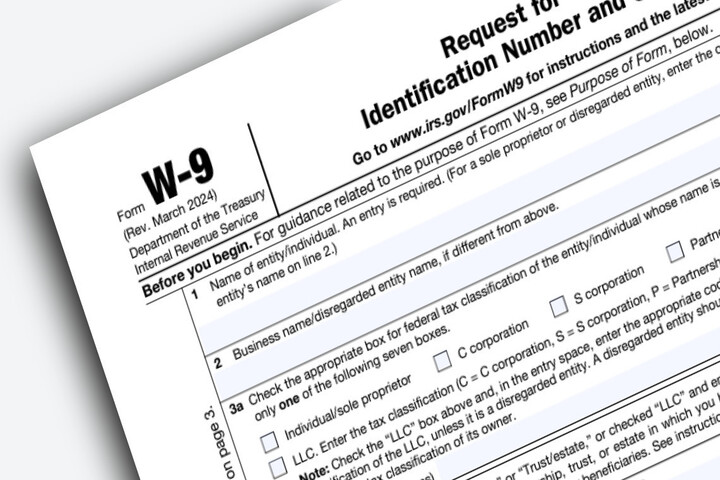
Form W-9 – Businesses ask contractors, freelancers or vendors to fill out a Form W-9 before making any payments. The W-9 provides Legal name, TIN/SSN/EIN, Business type, Address
Accounting/Payment Records – Accounting software, Bank statements, Payment Processors help to identify all reportable payments for the year.
Contract or Agreements – it clarify whether a worker is a contractor or employee, it also confirms payment terms and amounts.
19. What happens if a contractor refuses to provide a W-9?
Without a W-9, the payer may have to withhold backup taxes on payments until the information is provided.
20. How long should I keep copies of 1099 forms?
Both Payer and Recipient should keep copies for at-least 3-7 years. The Payer keeps them for IRS reporting, State filing and audit purposes, while the recipient uses them to accurately report income on their tax returns and resolve any discrepancies.
21. Does receiving a 1099 automatically mean the income is taxable?
Not always. Some income may be partially or fully non-taxable, but it must still be reported.
22. What is the role of a CPA in relation to Form 1099?
A CPA helps both payers and recipients ensure accurate reporting, compliance and tax planning related to Form 1099.
For Payers, a CPA can determine which payments require 1099 reporting, calculate totals, prepare and file forms with the IRS and state agencies and correct any errors.
For Recipients, a CPA reviews 1099s for accuracy, ensures all income is properly reported on tax returns, advice on deductions and self-employment taxes and helps resolve discrepancies with payers or IRS.
At Braj Aggarwal, CPA, P.C., we don’t just file forms we protect your business from compliance risks. Our experienced CPA team ensures accurate 1099 reporting, timely submission, and proactive tax planning so you never face unnecessary IRS penalties. Let us handle your 1099 compliance while you focus on growing your business.