
Avoiding IRS Audits: Rental Property Tax Tips for Real Estate Professionals

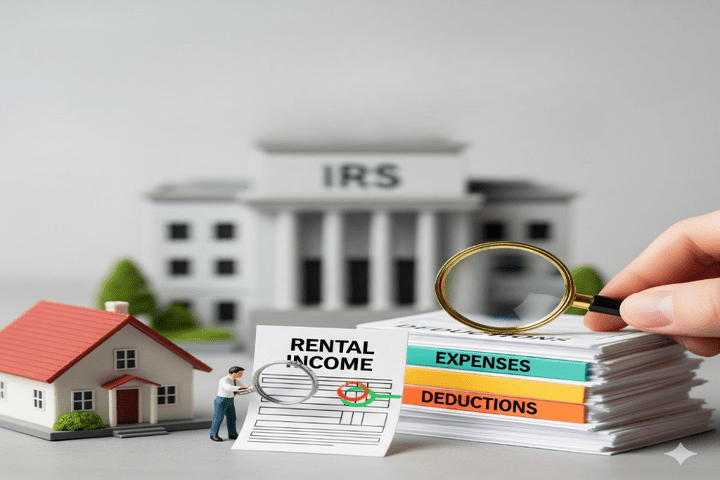
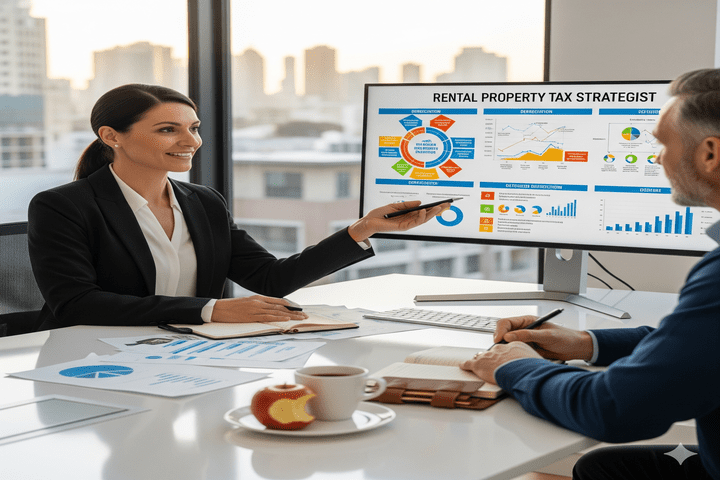
As a real estate professional or rental property owner, managing your taxes can be a daunting task. The IRS has strict guidelines for rental properties, and failing to comply with these rules can lead to audits, penalties, and even back taxes. Understanding how to avoid these issues and reduce your audit risk is crucial for maintaining the financial health of your property portfolio.
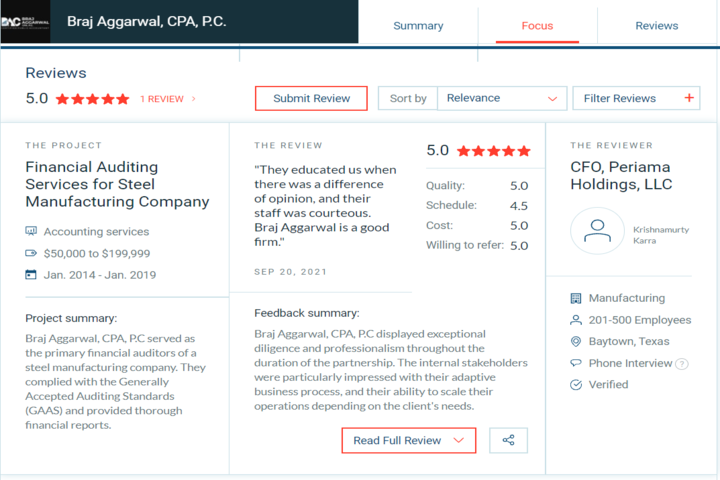
Braj Aggarwal, CPA, P.C. is a top-rated CPA firm in New York specializing in rental property tax services. We are committed to helping real estate professionals like you stay compliant, avoid costly mistakes, and minimize audit risk.
Understanding the Risks of IRS Audits for Real Estate Professionals
The IRS closely monitors rental properties because they are often vulnerable to inaccuracies and deliberate misreporting. One of the most common triggers for an IRS audit is underreporting rental income or claiming excessive deductions.
Common audit triggers include:
- Incorrectly claiming expenses
- Overestimating repairs and maintenance costs
- Failure to properly report rental income
- Mismanaging depreciation schedules
By working with a trusted CPA, such as Braj Aggarwal, CPA, PC, you can ensure that your tax filings are accurate and reduce your chances of an audit.
Key Rental Property Tax Tips to Avoid IRS Audits
- Keep Detailed Records of All Income and Expenses Proper record-keeping is your best defense against an audit. Keep receipts and documentation for every expense, including repairs, property management fees, and utilities. This will help you substantiate your deductions in case of an audit.
- Understand Depreciation and Write-Offs Depreciation is a powerful tool for reducing taxable income. However, it’s essential to properly calculate and report depreciation on your rental properties. A CPA like Braj Aggarwal can ensure that you're using the correct depreciation method and schedule to maximize your tax savings while staying compliant.
- Report All Rental Income Whether you rent your property full-time or part-time, the IRS requires you to report all rental income. This includes rent payments, advanced rent, and security deposits (if they are nonrefundable). Failing to report income, even if it seems insignificant, can raise red flags with the IRS.
- Avoid Overestimating Expenses It’s tempting to inflate your deductions to lower your taxable income, but this is a risky practice that can lead to serious consequences if caught. Keep your expenses honest and reasonable. A CPA can help you ensure that all your expenses are legitimate and substantiated.
- Separate Personal and Business Expenses To avoid confusion and potential audit issues, keep your personal and business expenses separate. This means using separate bank accounts and credit cards for your rental property transactions. This will make it easier to track your expenses and avoid mixing personal purchases with business expenses.
FAQs:
What are the most common audit triggers for rental property owners?
Common audit triggers include misreporting rental income, overestimating expenses, incorrect deductions for repairs and maintenance, and failure to follow proper depreciation schedules.
How can I reduce the risk of an IRS audit on my rental property?
Keeping detailed records, properly reporting all rental income, and accurately calculating deductions like depreciation can help reduce audit risk. Working with a CPA ensures compliance with tax laws.
What rental property expenses are tax-deductible?
Tax-deductible expenses can include mortgage interest, property taxes, insurance premiums, repairs, maintenance, utilities, and property management fees. A CPA can help you identify all possible deductions.
How does depreciation work for rental properties?
Depreciation allows you to deduct the cost of your property over time. A CPA can assist in determining the correct depreciation schedule and ensure that you’re maximizing this benefit while avoiding mistakes.
What should I do if I get audited by the IRS?
If you're audited, it's crucial to have all your records and documentation in order. A CPA like Braj Aggarwal, CPA, P.C. can help you navigate the audit process, provide representation, and work to resolve any issues with the IRS.
How Braj Aggarwal, CPA, P.C. Can Help You
At Braj Aggarwal, CPA, P.C., we specialize in providing rental property tax services to real estate professionals. Our team is well-versed in the intricacies of IRS regulations, and we can help you navigate complex tax laws to minimize your tax liability and avoid audit triggers.
We offer below services:
- Expert tax preparation and planning for real estate professionals
- Audit protection services to defend you in the event of an IRS audit
- Tax strategies that maximize deductions and minimize taxable income
Proactive tax planning is essential to avoid IRS audits and penalties. By working with Braj Aggarwal, CPA, P.C. you can ensure that your rental property taxes are filed accurately and in compliance with the latest tax laws. Let us help you protect your business and maximize your tax savings. Contact us today to schedule a consultation and ensure your rental property taxes are handled correctly.