
Choosing the Right State to Register Your Business in USA


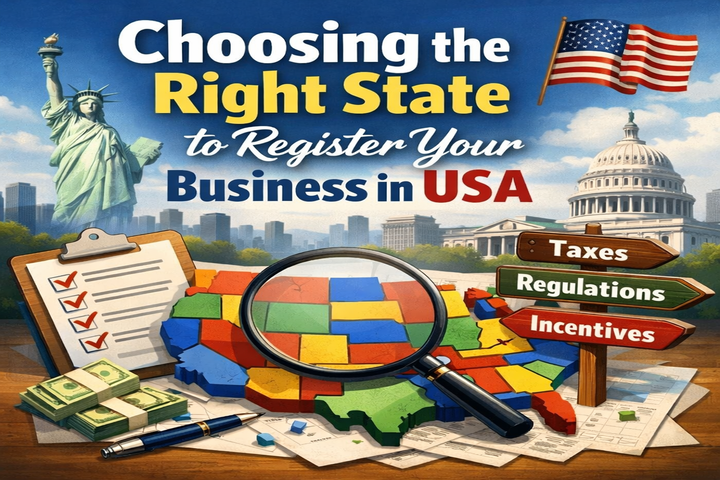
Starting a business is never easy, it takes grit, vision and relentless determination. Even a good business would collapse without a proper strategy. Before setting up a business, it is crucial to be aware of business location and the advantages that come with it.
FYI: Over 68% of Fortune 500 companies are incorporated in Delaware not because they operate there, but because of the legal and tax advantages.
Choosing the right state to register your business isn’t just a formality it is a decision that can affect everything from your tax burden and legal protection to your ability to attract investors or scale efficiently.
What Does it mean to Incorporate a Business in a State?
Incorporating a business means officially registering it with a specific US state, which creates a separate legal entity. This decision determines which state’s laws your company must follow and has a direct impact on your business’s legal protection, tax obligations, fees, and compliance requirements.
The state where you file your incorporation paperwork, also known as the Formation state, state of organization, domestic state or home state, is the state in which you file your business formation documents. It is the state whose corporation or LLC statues will govern your corporation or LLC.
How to choose the Right State for Your Business?
Choosing the right state to register your company is a strategic move that can affect your costs, compliance and long-term growth. Here are the key factors to consider:
- Think about where your business works: if your business mostly runs in one state, it usually makes sense to register there. This avoids extra fees and paperwork for registering in other states.
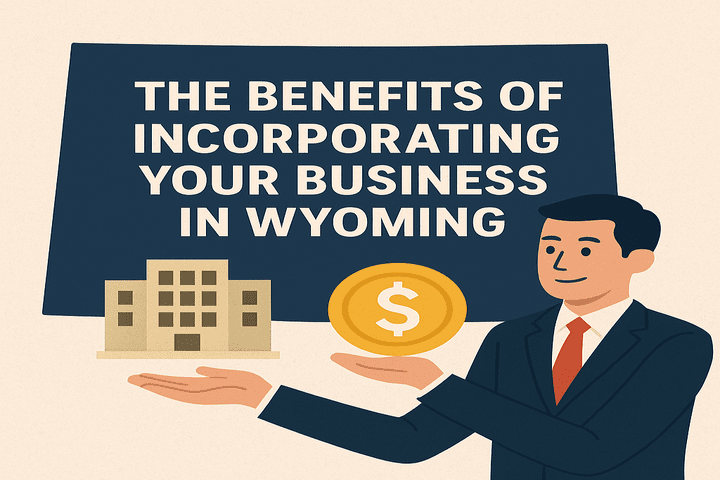
- Look at Tax Rules: Each state has its own approach to taxes. Some states impose corporate income tax, gross receipts tax or franchise taxes, while others like Wyoming, South Dakota and Nevada have no state income tax at all. Understanding how your business will be taxed can help you manage long term expenses more wisely.
- Compare filling and Annual fees: You shall pay a filling fee when you start your business and yearly fees to keep it active. These vary by state. For example, Delaware has an annual franchise tax based on your company size, but Wyoming’s fees are usually lower.
- Check Legal Protections and Privacy: Some states offer stronger legal protections for business owners and better privacy options.
- Delaware is well known for its Court of Chancery, a business-friendly court that resolves corporate disputes efficiently.
- States like New Mexico and Wyoming allow for anonymous LLC ownership, giving you added privacy.
- Plan for Growth and Investors: If you want to grow or attract investors, states like Delaware are popular. Investors often prefer companies incorporated there, which can make raising money easier.
- Review Compliance and Reporting requirements: Some states require more frequent filing, repots or disclosures than others. If you want to minimize paperwork and administrative hassle, look for states with simple ongoing compliance requirements.
- Registered Agent Requirements: Every business must have a registered agent – a person or company with a physical address in the state, who can receive official documents, tax notices and legal correspondence on your behalf. If you are registering in a state where you don’t have a physical presence, you shall need to hire a 3rd party registered agent services.
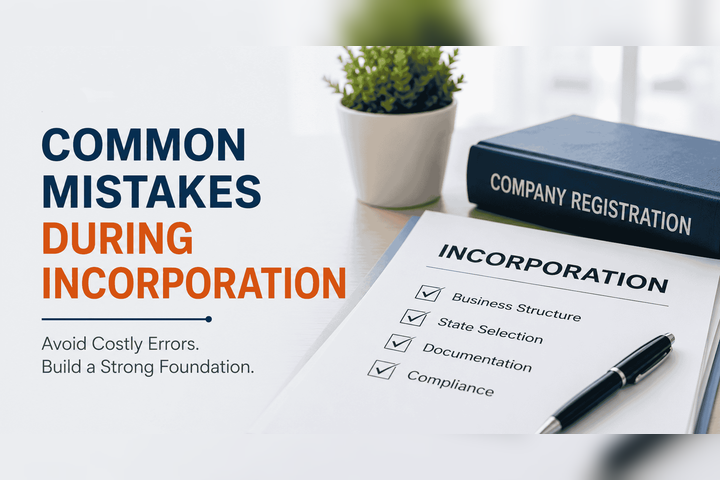
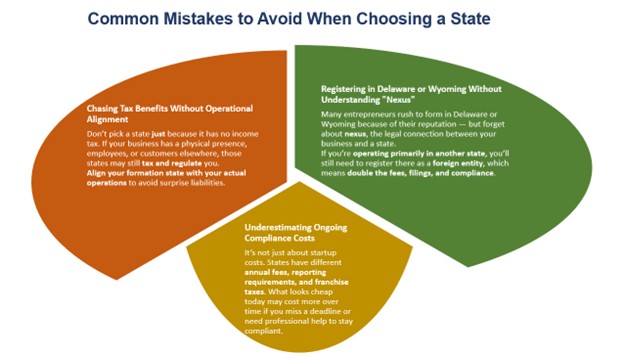
Incorporating your business is an exciting step, but choosing the wrong state can create expensive problems down the line. Avoid these common missteps: -
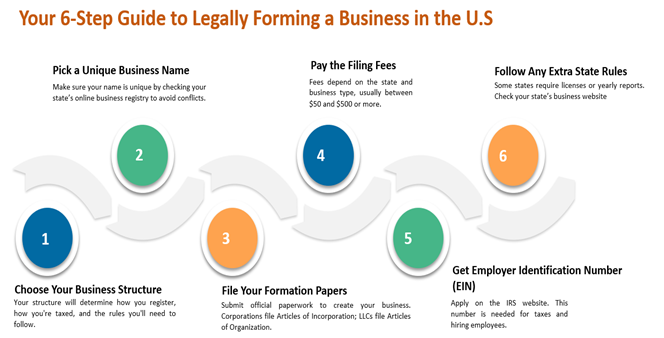
Hope a basic understanding regarding how to choose the right state, it’s time to make your business official. Here’s a simple 6 step guide to help you legally form your company – follow these steps to get your business up and run with confidence.
How Braj Aggarwal CPA, P.C will assist you?
We as a licensed New York CPA firm can play a crucial role in setting and managing your business. We can help you choose the right business structure, navigate complex tax rules, and ensure compliance with both federal and state regulations. During incorporation services, we can guide you on selecting the most tax efficient state and help with necessary fillings. Beyond formation, we will assist with bookkeeping, payroll, tax planning, and financial reporting. Let’s make us your success partner. Feel free to reach out Braj Aggarwal CPA, P.C